

Danem Test & Certificate supports manufacturers with pressure equipment assessment and certification preparation for regulated markets. Pressure equipment evaluation helps confirm that design, materials, manufacturing, and safety functions meet applicable requirements for safe operation under pressure.
We support clients from early scope definition through documentation review, coordination of required testing and inspections, and guidance through the conformity assessment route. Our approach is tailored to the equipment type, operating parameters, and target market, helping manufacturers reduce project risk and avoid delays caused by documentation gaps or late design changes.
From the outset, we define a clear scope, required evidence, and expected timelines to ensure a structured and transparent path from assessment to final approval.
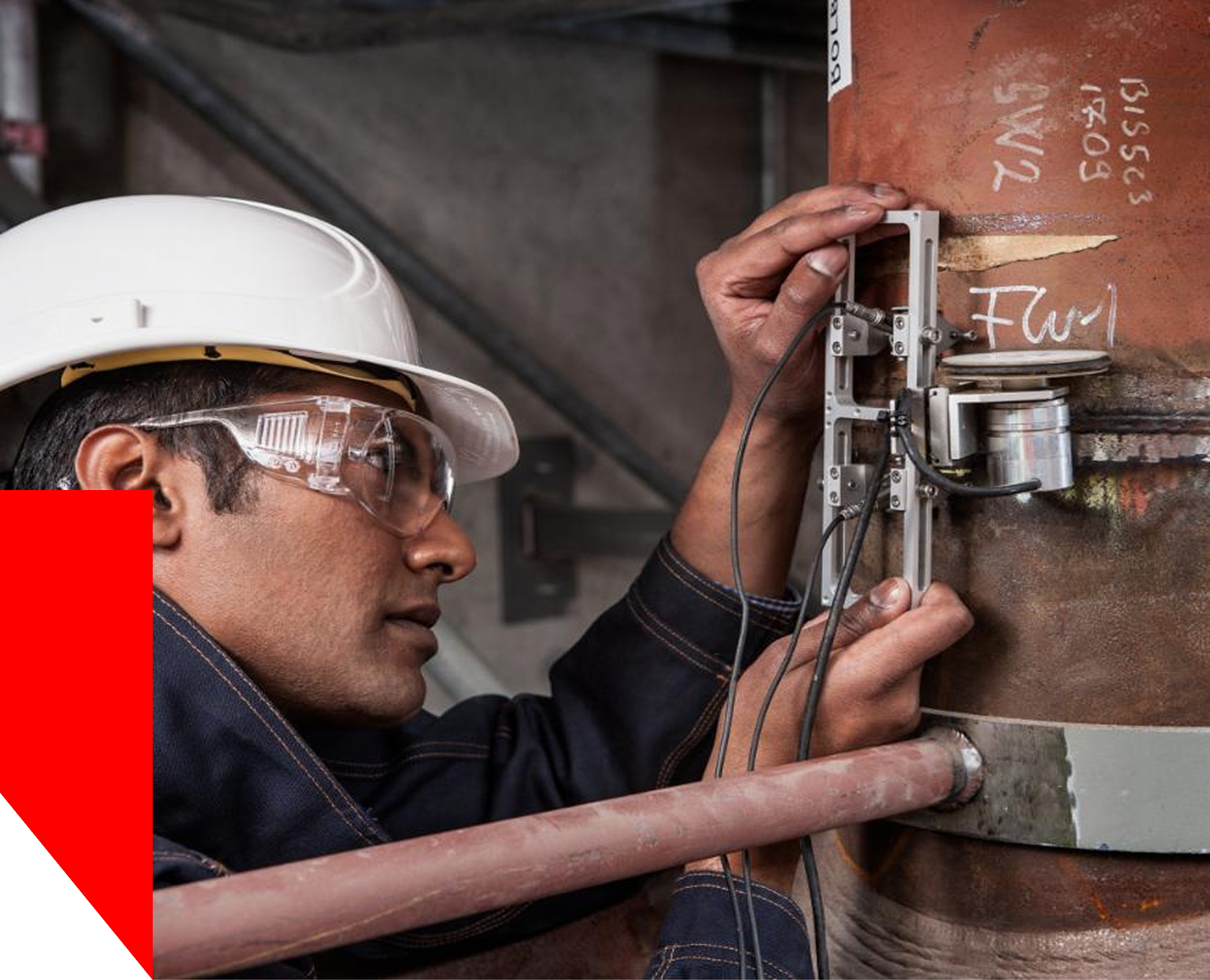
What Is Pressure Equipment Certification?
Pressure equipment certification supports placing products on the EU market under the Pressure Equipment Directive (PED) 2014/68/EU. PED applies to equipment and assemblies with maximum allowable pressure above defined thresholds and covers obligations related to design, manufacturing, testing, and documentation.
Assessment is typically performed against applicable harmonized standards and includes review of safety-related design, material traceability, manufacturing quality, and inspection/testing evidence. The applicable conformity assessment route depends on equipment category, type, and operating conditions.
Typical products include pressure vessels, piping, boilers, heat exchangers, safety accessories, valves, pressure assemblies, and components used in industrial and energy projects.
Pressure Equipment Certification Process
Our PED process is structured to keep requirements clear and reduce costly iterations.
1
Applicability and scope definition
We confirm applicability under 2014/68/EU, review operating parameters, and define the conformity assessment route and evidence required.
2
Documentation and design review
We review technical documentation, design calculations, materials, and manufacturing information to confirm readiness and identify gaps early.
3
Testing, inspection, and certification support
Where required, we coordinate testing and inspections and support the relevant certification steps.
4
Final documentation and market readiness
We support completion of documentation suitable for conformity assessment and preparation for placing the product on the EU market.
Applicability and scope definition
We confirm applicability under 2014/68/EU, review operating parameters, and define the conformity assessment route and evidence required.
Testing, inspection, and certification support
Where required, we coordinate testing and inspections and support the relevant certification steps.
Documentation and design review
We review technical documentation, design calculations, materials, and manufacturing information to confirm readiness and identify gaps early.
Final documentation and market readiness
We support completion of documentation suitable for conformity assessment and preparation for placing the product on the EU market.
Plan your PED conformity assessment with the correct technical scope
Support covering category determination, design calculations review, material traceability, inspection planning, and documentation preparation under 2014/68/EU.
Does PED apply to my equipment or assembly?
Applicability depends on maximum allowable pressure, volume/diameter, fluid group, and equipment type. We confirm applicability and category during the initial scope review.
What documents are typically required for PED projects?
Common documents include design drawings, calculations, material specifications and traceability evidence, welding procedures and qualifications, inspection/test plans, and manufacturing records. The exact package depends on category and route.
When is a Notified Body required under PED?
Notified Body involvement depends on PED category and selected conformity assessment module. We help define the correct route early to avoid delays.
What causes delays in pressure equipment certification most often?
Typical delays come from incomplete design documentation, missing material traceability, welding documentation gaps, or late changes affecting calculations and inspection scope. Early documentation readiness review reduces rework.
Can PED documentation support projects outside the EU?
Often yes. PED-aligned documentation and test evidence can be valuable for other markets and project requirements, but destination-country rules may still apply.